Jamaican Food Recipes That Are Easy, Flavorful, and Fun
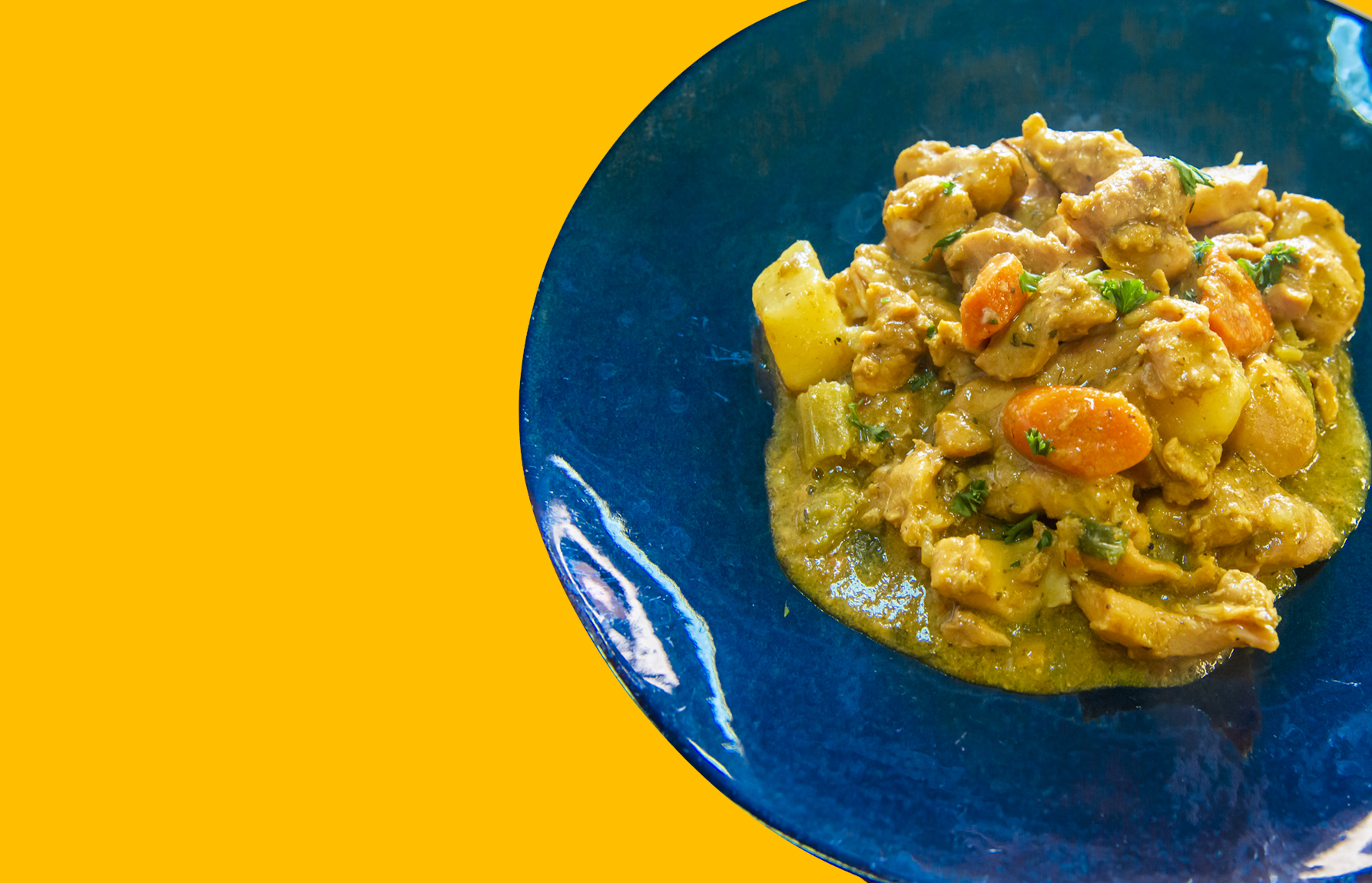
Jamaican food has a way of waking up the table. The flavors are bold, but they are not careless. Heat matters, but so do sweetness, smoke, fresh herbs, citrus, allspice, thyme, ginger, scallion, and the deep savoriness that comes from patient cooking. Even the simplest dishes carry contrast. A bite can be spicy, earthy, bright, and comforting at the same time.
That complexity is one reason people sometimes assume Jamaican cooking is difficult. It is not, at least not in the way many home cooks fear. The food is layered, yes, but much of that layering comes from ingredients doing exactly what they are supposed to do. Scotch bonnet brings heat and fruitiness. Browning adds color and slight bitterness. Coconut milk softens spice and rounds out stews. Time turns tough cuts into rich, spoon-tender meals. Once you understand those patterns, Jamaican food becomes very approachable.
The other misconception is that every dish must be fiery. In practice, a good Jamaican cook manages heat rather than surrendering to it. Scotch bonnet is used with judgment. Sometimes it is minced into a marinade. Sometimes it is dropped into a pot whole so it perfumes the dish without making it punishing. Sometimes it is left out entirely for a family meal and served on the side. That flexibility makes these recipes easier to bring into a weeknight rotation.
What follows is not a restaurant menu recreated at home with hard-to-find equipment and a dozen specialty products. These are practical, flavorful Jamaican food recipes and cooking ideas that fit real kitchens. They honor the character of the cuisine while leaving room for substitutions, budget choices, and time constraints.
The flavor backbone that makes Jamaican food taste right
If a cook keeps a few key ingredients on hand, several Jamaican dishes become much easier to pull off well. The most useful are scallions, fresh thyme, garlic, onion, ginger, allspice, soy sauce, Scotch bonnet, coconut milk, and lime. Browning sauce is also helpful, especially for stews and brown stew chicken, though dark brown sugar can stand in for part of that flavor if needed.
The ingredient that surprises people most is allspice, sometimes called pimento in the Caribbean. It is essential in Jamaican cooking. It brings warmth that tastes a little like clove, cinnamon, and nutmeg together, but less sweet and more woodsy. Jerk without allspice feels flat. Rice and peas without thyme and allspice loses part of its soul. If there is one spice worth buying fresh for this style of cooking, it is that one.
Scotch bonnet deserves respect. It is hot, often in the 100,000 to 350,000 Scoville range, though exact heat varies. More important than the number is the taste. It has a fruity aroma that habanero lovers will recognize, but used properly it should not bulldoze everything else. If your household is heat-shy, remove the seeds and membranes, or simmer the pepper whole and take it out before serving. Gloves are a smart move when chopping it.
There is also an important textural point in Jamaican home cooking. A lot of dishes are not meant to be delicate. Marinades are coarse. Sauces are spooned over rice. Stews are glossy and hearty. Vegetables stay recognizable. That rustic quality is part of the appeal, and it saves time in the kitchen.
Jerk chicken that works in an ordinary oven
Jerk is probably the best-known expression of Jamaican food, and it is also one of the most misunderstood. Proper jerk cooking has deep roots and a distinct smoky character when made over pimento wood. Most home cooks do not have access to that setup, which is fine. You can still make a deeply satisfying jerk chicken in a standard oven or on a grill.
The key is the marinade. Blend scallions, fresh thyme, garlic, ginger, onion, soy sauce, brown sugar, lime juice, allspice, black pepper, a little cinnamon or nutmeg if you like, salt, neutral oil, and Scotch bonnet. Some cooks add a touch of vinegar. Others add ketchup for body. Both approaches can work, but the mixture should taste savory first, aromatic second, hot third, and sweet only in support.
Chicken thighs and drumsticks are the best cuts for most home cooks. They stay juicy, take on marinade well, and forgive slight overcooking. Breasts can work, but they need closer attention. Marinate the chicken overnight if possible. Even four hours helps. When time is tight, poke a few shallow slits into the meat so the seasoning gets in faster.
Roast at a fairly high temperature, around 425 degrees Fahrenheit, until the skin darkens and the edges begin to char. That char matters. Jerk chicken should not look pale and timid. If using a grill, cook over indirect heat first, then finish over hotter heat for color. Serve it with rice and peas, fried plantains, or a crisp slaw if you want contrast.
A common mistake is blending the marinade too smooth and applying only a thin layer. Jerk should cling to the meat. It should look like a real seasoning paste, not a watery salad dressing. Another mistake is making it all heat and no fragrance. When the allspice and thyme come through, the chicken tastes Jamaican rather than simply spicy.
Brown stew chicken, the dish that teaches balance
If jerk is the loud extrovert, brown stew chicken is the steady, deeply reliable friend who never lets dinner fail. This is one of the most practical Jamaican recipes for home cooks because it relies on methods that are easy to master. You season the chicken, brown it well, then simmer it with onion, bell pepper, carrot, garlic, https://issuu.com/reggaepotdenver thyme, tomato, and enough liquid to create a rich sauce.
Traditionally, the chicken is first rubbed with green seasoning and left to rest. Then it is browned in oil before the vegetables go in. Browning sauce gives the dish its characteristic color and subtle bittersweet depth. Used carefully, it is wonderful. Used too heavily, it can make the stew harsh. A teaspoon or two is usually enough for a family-size pot.
What makes brown stew chicken memorable is the way the sauce lands between gravy and broth. It should coat rice but still move in the spoon. Potatoes are optional. Some families add them, some do not. Bell pepper is common, but not universal. This is the kind of dish that shows how Jamaican cooking varies by household, which is part of its charm.
For weeknight cooking, boneless thighs are acceptable, though bone-in pieces taste better and give the sauce more body. If you want the quickest version, marinate the chicken in the morning, brown it in the evening, and let it simmer while the rice cooks. The whole meal can land on the table in under an hour if the prep is organized.
One detail worth noting is the sweetness of the vegetables. Carrots and onions naturally balance spice and salt, so resist the temptation to dump in extra sugar. Jamaican food often tastes rounded because the ingredients carry their own sweetness, not because the cook force-feeds it.
Rice and peas is not just a side dish
People outside the Caribbean often hear “rice and peas” and imagine plain rice with green peas. Jamaican rice and peas is something else entirely. It usually means rice cooked with kidney beans or gungo peas, coconut milk, thyme, scallion, garlic, allspice, and often a whole Scotch bonnet. It is aromatic, creamy without being wet, and substantial enough to eat on its own.
If there is one supporting dish that lifts nearly every Jamaican meal, this is it. It belongs beside jerk chicken, brown stew chicken, curry goat, fried fish, and stewed vegetables. It also saves leftovers beautifully, which makes it a strong candidate for meal prep.
Dried beans have better flavor and texture, but canned beans make sense on a busy day. If using canned kidney beans, rinse them and reduce the salt in the pot. The rice should cook in a mixture of bean liquid or stock and coconut milk. Long-grain rice is standard. Jasmine can work in a pinch, though it changes the character slightly.
The pepper issue matters here too. A whole Scotch bonnet dropped into the pot and removed at the end gives fragrance without blasting the rice. Do not pierce it unless you want serious heat. Many good cooks have learned that lesson the memorable way.
Texture is where many attempts go wrong. Rice and peas should be fluffy and separate, not mushy. Measure the liquid carefully, keep the pot covered, and let the rice rest off the heat before fluffing. If the coconut milk is especially thick, you may need a bit more water than expected. Experience teaches this faster than any rule.
Jamaican curry chicken, fragrant and forgiving
Jamaican curry differs from many Indian curries in both flavor profile and method. The powder itself often contains turmeric, coriander, fenugreek, cumin, and allspice, among other spices, but the bigger difference at home is the handling. Jamaican cooks commonly “burn” or bloom the curry in oil at the start. That step deepens the flavor and cooks out the raw edge.
Curry chicken is one of the easiest entries into Jamaican food because it is forgiving. Chicken, especially dark meat, responds well to long simmering. Potatoes absorb flavor and stretch the dish. Onion, garlic, ginger, thyme, and Scotch bonnet build the base. Coconut milk is optional here. Some cooks use it, others prefer a lighter, more savory sauce.
The chicken is usually seasoned first with salt, black pepper, garlic, and sometimes a little green seasoning. Then the curry powder goes into hot oil, followed by the chicken, aromatics, and liquid. The goal is not a thin soup but a golden sauce that clings to the meat and potatoes.
This is an ideal dish for cooks who want bold flavor without the precision required by baking or the quick timing of stir-frying. Simmer gently, taste often, and adjust. If the curry tastes muddy, add a squeeze of lime and a little salt. If it is too sharp, give it more time. If it lacks warmth, add a little more allspice or curry powder bloomed separately in oil before stirring in.
Fried plantains, the easiest win on the plate
Not every Jamaican meal needs to be a project. Fried ripe plantains are one of the simplest sides in the Caribbean kitchen, and they make almost any plate feel complete. A ripe plantain should have black patches on the skin and feel slightly soft. Yellow-only fruit will be starchier and less sweet. That can still work, but the result is less lush and caramelized.
Slice on a diagonal and fry in a thin layer of oil over medium heat until each side is deep golden. Do not rush the pan. If the heat is too high, the outside burns before the inside softens. If the plantains are very ripe, they will brown quickly, so watch closely.
They pair especially well with spicy mains because they cool the palate and add sweetness without becoming dessert. In a practical home-cooking sense, they also solve a common dinner problem. If the stew is saltier or hotter than intended, plantains restore balance instantly.
A simple Jamaican breakfast can become dinner
Saltfish and ackee is Jamaica’s national dish, but ackee can be difficult to source fresh or canned depending on where you live, and it must be handled properly. For many readers, that puts it outside the “easy weeknight” category. Still, the underlying idea is worth borrowing. Jamaican breakfasts often combine savory protein, aromatics, and starch in a way that feels just as satisfying at dinner.
If ackee is available from a trusted canned source, it can be gently sautéed with prepared saltfish, onion, tomato, scallion, thyme, and Scotch bonnet. The ackee should be treated delicately because it breaks apart easily. The texture is soft and rich, almost like scrambled eggs, which is one reason the dish surprises first-timers.
If ackee is not available, do not force a substitute and pretend it is the same dish. Better to lean into a different but related meal, such as sautéed cabbage with saltfish and boiled green bananas, or callaloo with onions and peppers. Jamaican food rewards honesty. A respectful variation is better than a fake original.
The weeknight recipes that pull the most weight
When cooks say they want easy Jamaican food, they usually mean something that tastes authentic enough to satisfy but fits an ordinary weekday. In my experience, a few dishes deliver especially well.
- Jerk chicken thighs in the oven, because the marinade does most of the work.
- Brown stew chicken, because it improves as it simmers and reheats beautifully.
- Curry chicken with potatoes, because it stretches ingredients without tasting stretched.
- Rice and peas made with canned beans, because it brings depth with very little active effort.
- Fried plantains, because they transform a plate in ten minutes.
Those are the meals I would recommend to someone building confidence with Jamaican food at home. They are adaptable, recognizable, and hard to ruin if the seasoning is balanced.
A few practical substitutions that still respect the cuisine
No home cook has perfect access to every ingredient. The goal should be smart substitutions, not rigid purity tests. Habanero can replace Scotch bonnet if needed. It is not identical, but it lives in the same neighborhood. Dried thyme can stand in for fresh in stews, though fresh is much better in jerk marinades. Kidney beans can replace gungo peas and vice versa. Boneless chicken thighs can replace bone-in pieces when time matters.
What does not substitute well is allspice. Leaving it out changes the identity of many Jamaican dishes. If you cook this style even occasionally, keep a jar in the cupboard. Likewise, using sweetened coconut milk for rice and peas is a bad trade. It throws the seasoning out of line.
There is also the question of heat management for mixed households. One of the best habits is to build flavor first, then control heat separately. Use thyme, scallion, ginger, garlic, allspice, and black pepper generously. Add Scotch bonnet in a measured way. You can always offer pepper sauce at the table. It is much harder to rescue a dish that has become punishingly hot for half the people eating it.
How to build a Jamaican dinner without spending all day
A satisfying Jamaican meal does not have to mean three pots, two marinades, and a sink full of pans. It helps to think in layers. Pick one main dish with deep seasoning, one starch that can absorb sauce, and one bright or sweet element to offset richness.
A very manageable dinner might be oven jerk chicken, rice and peas, and fried plantains. Another might be brown stew chicken with plain white rice and a quick cabbage sautéed with onion, thyme, and black pepper. Curry chicken pairs beautifully with rice, but it also works with roti if you have access to good store-bought flatbread.
If you are feeding a crowd, stewed dishes are usually smarter than grilled ones. A large pot of curry chicken or brown stew chicken holds well, tastes better after resting, and lets guests serve themselves. Jerk is more dramatic, but it is also fussier if you are trying to keep batches hot and juicy.
For meal prep, cook extra rice and a double batch of one stew. Jamaican food often tastes better the next day once the aromatics settle into the sauce. That is especially true for curry and brown stew. Even jerk chicken can improve after a night in the refrigerator if it is reheated carefully.
Common mistakes that flatten flavor
The most frequent problem in home versions of Jamaican food is underseasoning. Not just salt, though that matters, but the full aromatic base. A tablespoon of thyme in a family-size pot can be completely reasonable. So can several scallions and a generous amount of garlic. The cuisine is not timid.
Another issue is browning meat without actually browning it. If the pan is crowded, the chicken steams. That means less flavor in the final sauce. Give pieces room or brown in batches. This takes a few extra minutes and pays back every time.
The third mistake is treating peppers carelessly. Too little, and the dish loses character. Too much, and all nuance disappears. Start lower than you think if you are new to Scotch bonnet. You can always add more heat. You cannot remove it once it is in the pot.
This short checklist solves most disappointing results:
- Season early, not only at the end.
- Use enough thyme, scallion, and allspice to be noticeable.
- Brown meat properly before simmering.
- Control Scotch bonnet with intention.
- Rest rice off the heat before fluffing.
These are not glamorous tips, but they are the difference between food that tastes vaguely inspired by Jamaica and food that carries the right spirit.
Why these recipes stay in regular rotation
The best Jamaican food recipes earn their place because they do more than impress once. They adapt to family preferences, reheat well, and make affordable ingredients taste generous. Chicken thighs become luxurious with the right marinade. Rice becomes fragrant and festive with coconut milk and thyme. A pot of stew can feed six people comfortably with very little waste.
That practicality is part of what makes the cuisine so fun to cook. There is room for instinct. You can make the jerk hotter one week and milder the next. You can stretch curry chicken with extra potatoes when the grocery budget is tight. You can serve brown stew chicken over plain rice on Tuesday and tuck leftovers into a lunch bowl on Wednesday. The food has presence, but it also has everyday usefulness.
For cooks who are just getting started, begin with one strong main and one strong side. Jerk chicken and rice and peas is a smart first pairing. If that feels manageable, add plantains the next time. Then move on to brown stew chicken or curry chicken. Each dish teaches something transferable about Jamaican food, from seasoning balance to heat control to the value of browning and simmering.
Once those fundamentals settle into your hands, the cuisine stops feeling distant. It becomes what it has long been in many homes, practical food with vivid flavor, built to nourish people well and leave them talking about dinner long after the plates are cleared.
Reggae Pot Jamaican Grill
2243 S Monaco St Pkwy #104
Denver, CO 80222
+1 720-410-2956
FAQ About jamaican food
What is the best Jamaican food to try in Denver?
The best choice depends on your tastes. Popular options include jerk chicken, curry goat, slow-cooked oxtail, and savory patties. Reggae Pot lists these dishes on its menu, with sides such as rice and peas and plantains. Ask the Denver team about current availability and spice levels.
Is Jamaican food very spicy in Denver?
Heat varies by dish and preparation. Jerk seasoning often includes scotch bonnet peppers alongside herbs and allspice, while other dishes may have gentler seasoning. Ask about the heat of the specific dish and any sauce before ordering.
What are some popular Jamaican snacks?
Jamaican patties are a popular snack made with flaky pastry and savory meat or vegetable fillings. Other options include fried dumplings and festival, a sweet fried dough often served with savory dishes. Availability varies, so check the current menu when ordering.